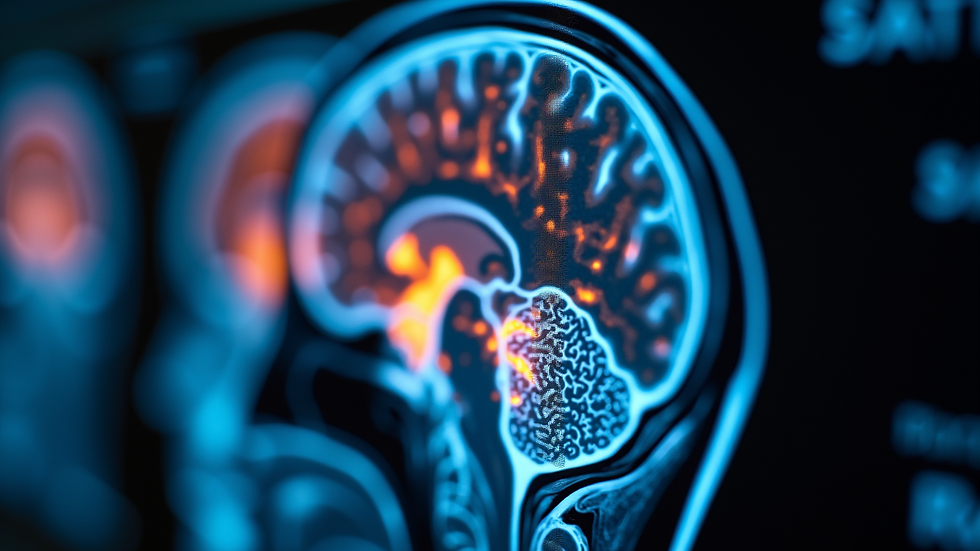
Cutting-Edge Neuro Imaging: Understanding Neurodegenerative Diseases
- May 15, 2025
- 4 min read
Neurodegenerative diseases are a growing concern in our aging population. Conditions like Alzheimer's, Parkinson's, and Huntington's disease affect millions of people worldwide. As these diseases progress, they can lead to severe cognitive and physical decline. However, advancements in neuroimaging technology are changing the way we understand and diagnose these conditions.
In this blog post, we will explore the latest developments in neuroimaging, how they help in understanding neurodegenerative diseases, and what the future may hold for patients and researchers alike.
What is Neuroimaging?
Neuroimaging refers to a variety of techniques used to visualize the structure and function of the brain. These methods allow researchers and doctors to see changes in the brain that may indicate disease.
Some common neuroimaging techniques include:
Magnetic Resonance Imaging (MRI): This technique uses strong magnets and radio waves to create detailed images of the brain's structure.
Positron Emission Tomography (PET): PET scans can show how the brain is functioning by highlighting areas of activity.
Computed Tomography (CT): CT scans provide a series of X-ray images to create a cross-sectional view of the brain.
Each of these methods has its strengths and weaknesses, but together they provide a comprehensive view of brain health.
The Role of Neuroimaging in Diagnosing Neurodegenerative Diseases
Neuroimaging plays a crucial role in diagnosing neurodegenerative diseases. Early detection is vital for effective treatment and management.
For example, in Alzheimer's disease, neuroimaging can help identify the presence of amyloid plaques and tau tangles, which are hallmarks of the disease.
In Parkinson's disease, imaging can reveal changes in the brain's dopamine system. This information can help doctors make more accurate diagnoses and tailor treatment plans to individual patients.
Advancements in Neuroimaging Technology
Recent advancements in neuroimaging technology have made it possible to detect changes in the brain much earlier than before.
One exciting development is the use of functional MRI (fMRI). This technique measures brain activity by detecting changes in blood flow. Researchers can see which areas of the brain are active during specific tasks. This can help identify early signs of neurodegenerative diseases before symptoms appear.
Another promising advancement is machine learning. By analyzing large datasets from neuroimaging studies, machine learning algorithms can identify patterns that may be missed by human observers. This can lead to earlier and more accurate diagnoses.
Understanding Neurodegenerative Diseases Through Imaging
Neuroimaging not only aids in diagnosis but also helps researchers understand the progression of neurodegenerative diseases.
For instance, studies using PET scans have shown how Alzheimer's disease progresses through different stages. Researchers can track changes in brain metabolism and connectivity over time. This information is crucial for developing new treatments and interventions.
Moreover, neuroimaging can help identify biomarkers for neurodegenerative diseases. Biomarkers are measurable indicators of a disease's presence or progression. Identifying these markers can lead to more targeted therapies and better patient outcomes.
Case Studies: Neuroimaging in Action
To illustrate the impact of neuroimaging, let's look at a couple of case studies.
Case Study 1: Alzheimer's Disease
In a recent study, researchers used PET scans to track the progression of Alzheimer's in a group of patients over several years. They found that changes in brain metabolism correlated with cognitive decline.
This information allowed doctors to identify patients at high risk for rapid decline. As a result, they could implement early interventions, such as cognitive therapy and lifestyle changes, to help slow the disease's progression.
Case Study 2: Parkinson's Disease
Another study focused on patients with Parkinson's disease. Researchers used fMRI to observe brain activity during movement tasks. They discovered that certain brain regions showed decreased activity in patients with more advanced disease.
This finding helped researchers understand how Parkinson's affects motor function and could lead to new therapies aimed at improving movement and coordination.
The Future of Neuroimaging in Neurodegenerative Disease Research
The future of neuroimaging in the field of neurodegenerative diseases looks promising. As technology continues to advance, we can expect even more precise imaging techniques.
For example, researchers are exploring the use of ultrasound and optical imaging to visualize brain activity. These methods may provide real-time insights into brain function and disease progression.
Additionally, the integration of neuroimaging with genetic and biochemical data could lead to a more comprehensive understanding of neurodegenerative diseases. This holistic approach may pave the way for personalized medicine, where treatments are tailored to an individual's unique genetic makeup and disease profile.
Challenges and Limitations
Despite the advancements in neuroimaging, there are still challenges to overcome.
One major limitation is the cost and accessibility of advanced imaging techniques. Not all hospitals have the resources to perform high-quality neuroimaging, which can lead to disparities in diagnosis and treatment.
Moreover, interpreting neuroimaging results can be complex. There is still much to learn about the relationship between brain changes and clinical symptoms.
Researchers must continue to refine their methods and develop standardized protocols to ensure consistent and accurate results.
The Importance of Collaboration
Collaboration among researchers, clinicians, and patients is essential for advancing neuroimaging in neurodegenerative disease research.
By sharing data and findings, the scientific community can accelerate the discovery of new biomarkers and treatment strategies.
Patient involvement is also crucial. Engaging patients in research can provide valuable insights into their experiences and needs. This can help shape future studies and ensure that research is relevant and beneficial.
Final Thoughts: A Bright Future Ahead
The field of neuroimaging is rapidly evolving, offering new hope for understanding and treating neurodegenerative diseases.
As we continue to explore the brain's complexities, we can expect to see significant advancements in diagnosis and treatment.
With ongoing research and collaboration, we can look forward to a future where neurodegenerative diseases are detected earlier, managed more effectively, and ultimately, where patients can lead healthier lives.